
The Allure of Casino Environments
The design of a casino is meticulously crafted to evoke a sense of wonder and excitement among its visitors. Bright lights, captivating colors, and immersive sounds create an atmosphere that draws people in, making them feel energized and engaged. This sensory overload is not accidental; it’s a carefully orchestrated move to entice players to stay longer and spend more, especially if they are looking for an online casino fast withdrawal option to enhance their experience. The idea is to create an environment that feels both thrilling and comforting, encouraging guests to explore and enjoy the space without a sense of urgency to leave. Visitors often find themselves lost in the ambiance, making it easy to lose track of time and their surroundings.
Furthermore, the layout of the casino plays a crucial role in influencing behavior. The flow of the space is designed to guide patrons from one gaming area to another, often without them even realizing it. Slot machines and gaming tables are strategically placed to maximize exposure while minimizing paths to exits. By keeping guests within the confines of the gaming floor, casinos increase the likelihood of additional playtime, leading to higher revenues for the establishment. The architecture itself often resembles a maze, making it difficult for players to navigate their way back out easily, thus prolonging their stay.
In addition to visual and spatial design, casinos also employ auditory elements that contribute to their unique atmosphere. The sounds of jingling coins, excited chatter, and upbeat music create an auditory landscape that amplifies engagement. This careful calibration of sound is intended to heighten arousal and keep players in a positive state of mind. As a result, visitors often feel more inclined to gamble, as their experience becomes associated with these pleasurable auditory cues, reinforcing their desire to continue playing. This sound environment is a deliberate choice, reinforcing the excitement and anticipation that gambling inherently brings.
The Role of Color Psychology
Colors play a significant role in shaping emotional responses and can profoundly influence behavior within a casino setting. For instance, warm hues like red and gold are commonly used as they are believed to stimulate excitement and a sense of wealth. Red, in particular, has been shown to increase heart rates and create a sense of urgency, encouraging more impulsive decisions, which is ideal in a gambling environment. Meanwhile, softer colors like blue and green are often chosen for lounge areas, as they project calmness and encourage social interaction, allowing guests to recharge between gaming sessions.
The strategic use of color extends beyond mere aesthetics; it’s rooted in psychological principles that affect decision-making. For example, striking color contrasts can draw attention to specific games or promotions, nudging players toward higher-stakes options. Casinos also utilize color to create focal points that highlight jackpots, escalating the excitement levels and motivating players to chase potential rewards. This understanding of color psychology not only enhances the overall ambience but also increases engagement and participation, making the gambling experience more immersive and thrilling.
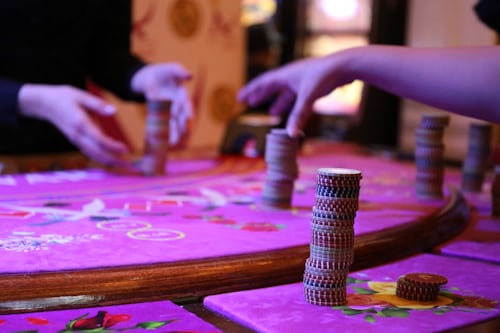
Additionally, the prevalence of vibrant digital displays showcasing dynamic graphics and animations plays into the powerful influence of color. These colorful screens capture attention and can contribute to an immersive experience that draws in newcomers. By creating a visually stimulating environment, casinos leverage color psychology to elevate the overall gambling experience, making it more enticing for those seeking thrill and excitement. This careful orchestration of colors can lead to increased time spent at gaming machines and tables, amplifying the potential for revenue generation.
Creating a Sense of Community
Casinos are not solely focused on individual gaming experiences; they also prioritize fostering a sense of community among patrons. The design of gaming areas often encourages social interaction, with games like blackjack and poker featuring tables that seat multiple players. This social dynamic invites camaraderie and competition, which can enhance the thrill of gaming. The presence of spectators at these games further amplifies the excitement and may lead to increased participation, as onlookers are drawn to the action and atmosphere of shared anticipation.
Moreover, communal spaces such as bars and lounges are integral to the casino experience. These areas are designed to be welcoming and social, allowing guests to relax and recharge while connecting with others. The layout encourages mingling, with seating arrangements that facilitate conversation and interaction. By creating opportunities for engagement outside the gaming floor, casinos enhance the overall experience, making patrons more likely to return for future visits. This sense of community can turn casual players into regular visitors, fostering loyalty and repeat business.
Events and entertainment are additional ways casinos cultivate a sense of community. Live performances, themed nights, and tournaments provide shared experiences that unite guests, creating memorable moments that transcend mere gambling. These events contribute to a lively atmosphere, reinforcing the idea that casinos are not just places to gamble but multifaceted entertainment hubs where communities can come together and bond over shared thrills and experiences. This approach not only enhances customer satisfaction but also builds a loyal customer base that feels connected to the establishment.
The Impact of Rewards and Loyalty Programs
Reward systems within casinos are designed to tap into and enhance the psychology of gambling. Players are often drawn to loyalty programs that offer points, comped meals, and other incentives, creating an expectation of return for their investments in time and money. This psychological principle, known as operant conditioning, reinforces gambling behavior as players associate playing with receiving rewards. The more they engage, the more rewards they accumulate, which can create a cycle of increased gambling activity and engagement.
The tiered structure of loyalty programs further amplifies this effect. As players ascend through different levels of membership, they gain access to exclusive benefits and experiences. This not only makes players feel valued and appreciated but also encourages them to increase their gameplay to achieve higher loyalty tiers. The sense of progression and the desire to unlock more rewards can significantly drive player engagement, making them more likely to frequent the casino, as they aim to reap the maximum benefits from their loyalty.
Additionally, the psychological impact of competition within these programs cannot be understated. Many casinos incorporate leaderboards and challenges where players can compete for bonuses or recognition. This competitive element makes the gambling experience more dynamic, as guests are motivated to outperform others and assert their dominance within the casino community. Collectively, these strategies make loyalty programs an essential component of casino design, reinforcing patron retention and sustained engagement, ultimately driving revenue growth for the casino.
Exploring the Online Casino Experience
With the rise of technology, the online casino experience has become an extension of traditional casino design principles tailored for digital platforms. In the virtual realm, user interface and experience design are crucial elements that impact player engagement. Designers focus on creating visually appealing layouts that are easy to navigate while incorporating elements of gamification to enhance interaction. For example, online casinos often use vibrant graphics and animations to replicate the sensory elements found in physical casinos, ensuring that players feel the excitement even from their homes.
Furthermore, online platforms utilize personalized experiences to engage players. Through data analytics, these sites can offer customized game recommendations based on user preferences and past behaviors. This tailored approach can create a ‘home away from home’ feel, encouraging users to return regularly. By incorporating social features like chat functions and shared gaming experiences, online casinos foster a sense of community similar to their brick-and-mortar counterparts, enhancing the overall appeal of online gambling.
In conclusion, understanding the psychology behind both physical and online casino design highlights the complex interplay of elements that influence player behavior. Both environments leverage design principles to elevate the gambling experience, ensuring that guests are not merely gambling but immersing themselves in a captivating environment that stimulates their senses. This understanding can help aspiring entrepreneurs and designers create compelling gaming experiences that entice and retain players in an ever-evolving landscape, where the convergence of technology and psychology plays a pivotal role in shaping the future of gaming.